
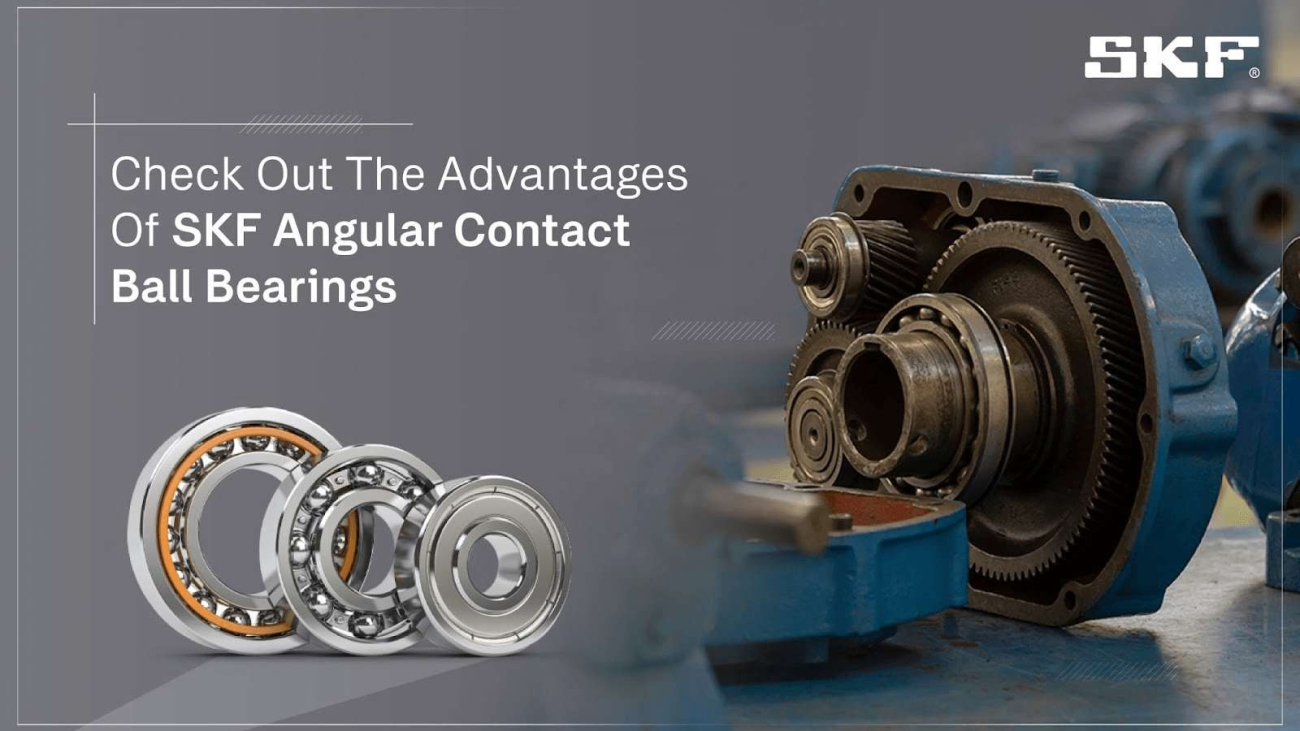
WhatsApp Image 2024-12-16 at 12.58.22 AM

The Adventure of Bearing Making: A Journey of Precision and Innovation

Bearing making is a fascinating process that requires precision, innovation, and a passion for engineering. From the initial design to the final product, the journey of bearing making is an adventure that demands attention to detail, creativity, and a commitment to excellence.

Chapter 1: Design and Development

The adventure begins with the design and development phase, where engineers use cutting-edge software to create intricate designs and simulations. They must consider factors such as load capacity, speed, and temperature to ensure that the bearing meets the required specifications.

Chapter 2: Material Selection

The next step is to select the right materials for the bearing. This involves choosing the perfect combination of metals, alloys, and coatings to ensure optimal performance, durability, and resistance to corrosion.

Chapter 3: Manufacturing

The manufacturing phase is where the bearing starts to take shape. Skilled craftsmen and women use advanced machinery and techniques to precision-engineer the bearing components. From turning and grinding to assembly and testing, every step requires meticulous attention to detail.

Chapter 4: Quality Control

Quality control is a critical phase in the bearing-making adventure. Trained inspectors use advanced equipment to test the bearing’s performance, accuracy, and reliability. Any defects or irregularities are identified and corrected to ensure that the bearing meets the highest standards.

Chapter 5: Innovation and Improvement

The final chapter in the bearing-making adventure is innovation and improvement. Engineers and technicians continually seek ways to improve the design, materials, and manufacturing process to create bearings that are stronger, faster, and more efficient.

Conclusion

The adventure of bearing making is a journey of precision, innovation, and passion. From design and development to manufacturing and quality control, every step requires attention to detail, creativity, and a commitment to excellence. As the demand for bearings continues to grow, the adventure of bearing making will remain a vital part of modern industry.
WhatsApp Image 2024-12-16 at 12.58.37 AM

Bearing Challenges: The Unseen Heroes of Industrial Machinery

Bearing challenges are an integral part of industrial machinery, playing a crucial role in ensuring smooth operation, reducing friction, and increasing efficiency. Despite their importance, bearings often go unnoticed until they fail, causing costly downtime and repairs.

Types of Bearing Challenges

  1. Radial Load: Bearings are designed to handle radial loads, which occur when the load is perpendicular to the bearing axis.
  2. Axial Load: Bearings must also withstand axial loads, which occur when the load is parallel to the bearing axis.
  3. Combined Load: In many applications, bearings are subjected to a combination of radial and axial loads.
  4. Vibration: Bearings must be able to withstand vibrations, which can cause premature wear and failure.
  5. Temperature Extremes: Bearings must operate reliably in extreme temperatures, from freezing cold to scorching hot.

Common Causes of Bearing Failure

  1. Poor Installation: Incorrect installation can lead to premature bearing failure.
  2. Inadequate Maintenance: Failure to regularly inspect and maintain bearings can cause them to fail.
  3. Overloading: Exceeding the recommended load capacity can cause bearings to fail.
  4. Contamination: Foreign particles, such as dirt and dust, can contaminate bearings and cause them to fail.

Best Practices for Bearing Maintenance

  1. Regular Inspection: Regularly inspect bearings for signs of wear and damage.
  2. Proper Lubrication: Ensure that bearings are properly lubricated to reduce friction and wear.
  3. Balancing and Alignment: Ensure that bearings are properly balanced and aligned to prevent vibration and premature wear.
  4. Replace Bearings Regularly: Replace bearings regularly to prevent failure and downtime.

Conclusion

Bearing challenges are an integral part of industrial machinery, and their failure can have significant consequences. By understanding the types of bearing challenges, common causes of bearing failure, and best practices for bearing maintenance, industries can minimize downtime, reduce costs, and ensure smooth operation.

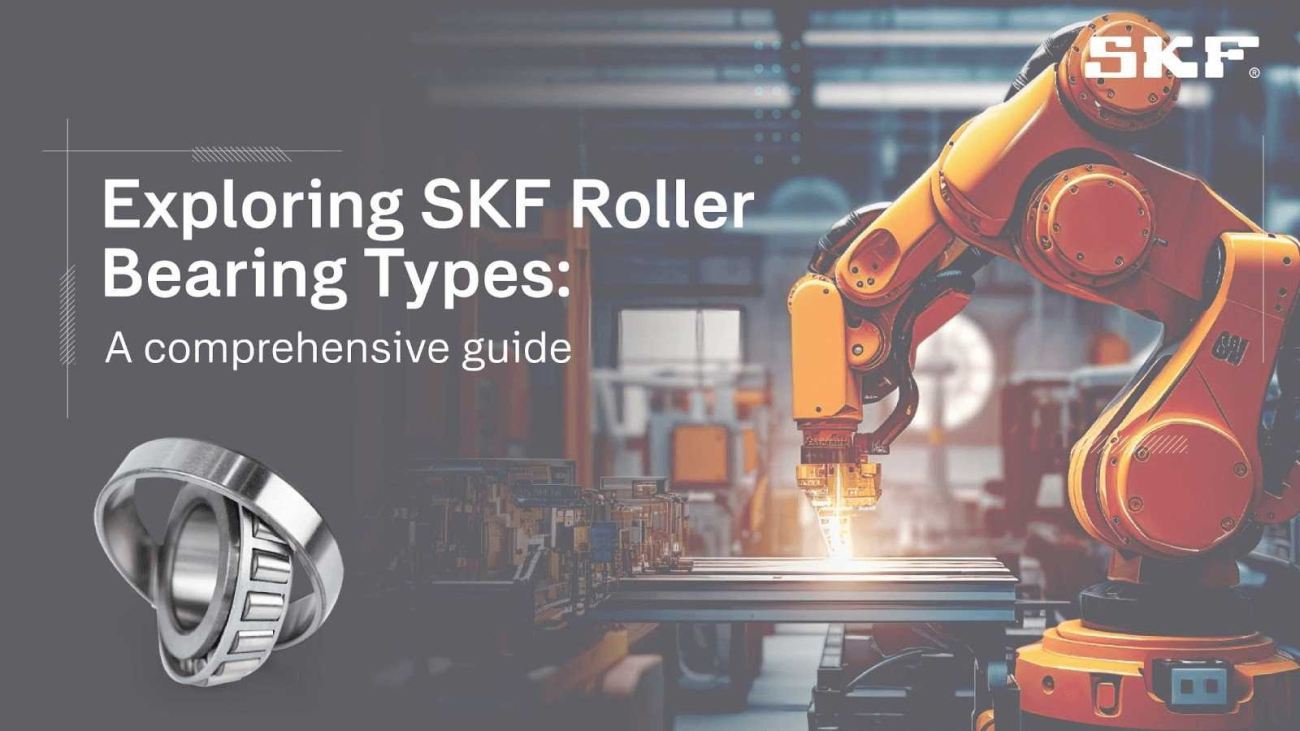
WhatsApp Image 2024-12-16 at 12.58.06 AM

Roller Bearing Types: A Comprehensive Guide

Roller bearings are a type of bearing that uses cylindrical rollers to reduce friction between moving parts. They are widely used in various industries, including automotive, aerospace, and industrial machinery. There are several types of roller bearings, each with its unique characteristics, advantages, and applications.

  1. Cylindrical Roller Bearings: These bearings have cylindrical rollers and are used in applications where high radial loads are present.
  2. Tapered Roller Bearings: These bearings have tapered rollers and are used in applications where both radial and axial loads are present.
  3. Spherical Roller Bearings: These bearings have spherical rollers and are used in applications where misalignment is present.
  4. Needle Roller Bearings: These bearings have needle-shaped rollers and are used in applications where space is limited.
  5. Thrust Roller Bearings: These bearings have cylindrical or spherical rollers and are used in applications where axial loads are present.
  6. Angular Contact Roller Bearings: These bearings have cylindrical rollers and are used in applications where high radial and axial loads are present.
  7. Self-Aligning Roller Bearings: These bearings have spherical rollers and are used in applications where misalignment is present.
  8. Crossed Roller Bearings: These bearings have cylindrical rollers and are used in applications where high radial and axial loads are present.
  9. Precision Roller Bearings: These bearings have high-precision cylindrical rollers and are used in applications where high accuracy and low noise are required.
  10. Customized Roller Bearings: These bearings are designed and manufactured to meet specific customer requirements and are used in applications where standard bearings cannot meet the required specifications.

Conclusion

Roller bearings are a crucial component in many industrial applications. With so many types of roller bearings available, it’s essential to choose the right one for your specific application. By understanding the characteristics, advantages, and applications of each type of roller bearing, you can ensure optimal performance, efficiency, and reliability in your machinery and equipment.